
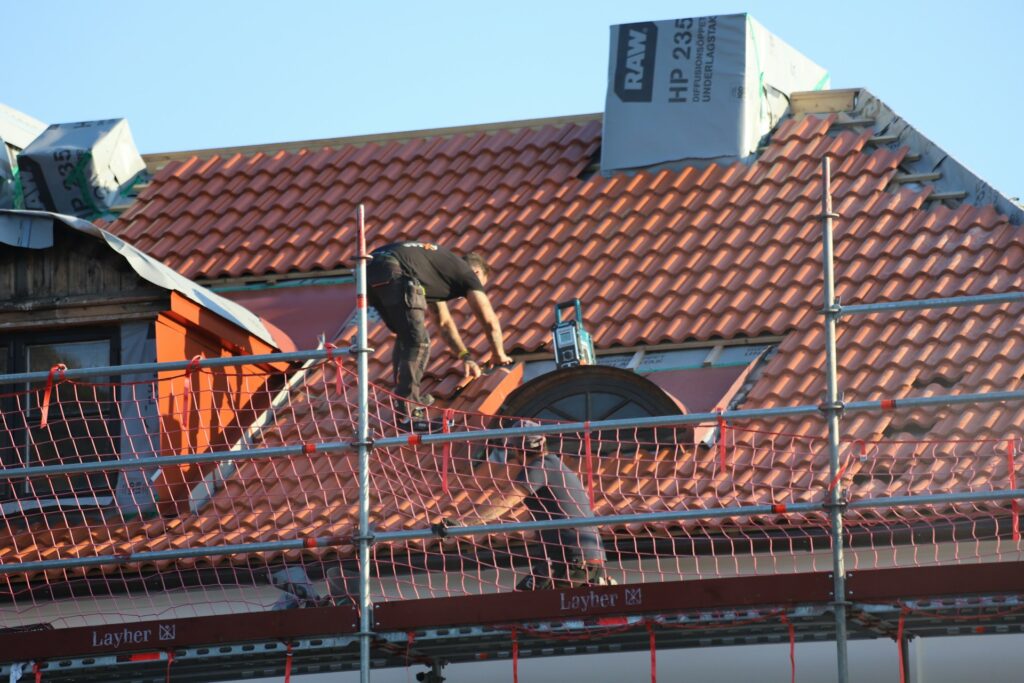
Roofing Liability Insurance Problems That Cost You Real Money
Most roofing contractors only discover what their roofing liability insurance does not cover after a fall, a leak, or a fire on a job site. By then, the work is finished, the weather has shifted, and owners and adjusters are already asking questions.
We regularly see claims where a roofer believed torch-on repairs were covered, only to find that the policy excluded any form of heat application. The claim was directly tied to torch work, so the insurer did not respond. The contractor was left handling legal costs and repairs alone.
Spring is peak season across Canada. Snow melts, water finds weak points, and emergency calls increase. This is the time to correct insurance gaps, not after the first storm.
Roofing is considered higher risk than many other trades. Common claims include:
-
Falls from heights and ladder accidents
-
Debris or shingles damaging vehicles or nearby property
-
Water intrusion destroying interiors
-
Fire damage from hot work
-
Damage to neighbouring structures
Because of this exposure, insurers scrutinize roofing liability insurance more closely than many other trades. Policy wording, exclusions, and declared operations matter.
Roofing liability insurance, formally called commercial general liability, protects you when a third party is injured or their property is damaged because of your work. It does not cover your own tools, vehicles, or the cost to redo faulty workmanship. That misunderstanding is where many problems begin.
Mistake 1: Assuming All Roofing Liability Insurance Policies Are The Same
Not all contractor policies are built for roofing.
Some packages are designed for lower-risk trades and quietly restrict roofing work through exclusions or limitations. A certificate may simply say “contractor,” but the policy wording can contain height limits, pitch limits, or complete exclusions for certain roofing activities.
Common exclusions in roofing liability insurance include:
-
Heat application or torch-on membranes
-
Work above a specified number of storeys
-
Multi-unit residential or condo roofing
-
Industrial or special-use properties
-
Roofs beyond certain pitch or height thresholds
Some exclusions are absolute. Others require strict compliance with safety protocols or supervision requirements.
Another issue arises when a business grows but the policy does not. A contractor who started with residential shingle work may now handle flat commercial roofs or townhouse complexes. If the declared operations were never updated, the policy may not reflect actual work.
Before peak season, review:
-
Maximum height and pitch limits
-
Whether hot work is included or excluded
-
Whether commercial or condo work is declared
-
Whether storm or emergency repairs are reflected in your description
If your operations have changed, your policy should change as well.
Mistake 2: Underestimating Limits, Deductibles, and Completed Operations
Liability limits should match your real exposure, not what you selected years ago.
Many commercial clients now require higher limits. Water damage claims can escalate quickly, especially when multiple units or tenants are involved. A limit that once seemed large can become insufficient overnight.
Deductibles also deserve attention. A higher deductible may lower premium costs but increases your out-of-pocket exposure. If multiple claims arise from a single weather event, deductibles can stack up quickly.
Completed operations coverage is especially critical in roofing. Problems often surface months after a project ends. Slow leaks, attic moisture, or mould may not be discovered until long after you have left the site.
Even if you slow down operations during shoulder seasons, cancelling or reducing coverage can expose you to claims from completed jobs. Liability from past work remains long after ladders are packed away.
Mistake 3: Weak Subcontractor and Contract Controls
Busy seasons often mean bringing in subcontractors. That increases exposure.
Before a subcontractor starts work, you should have:
-
A current certificate of liability insurance
-
A valid WSIB or WCB clearance letter where applicable
-
A signed subcontract agreement defining responsibility
Without proper documentation, a subcontractor’s mistake can become your claim.
Owner and general contractor contracts also matter. Indemnity and hold harmless clauses can expand your responsibility beyond what your policy anticipates. Some agreements shift full responsibility for water damage or building-wide loss onto the roofing contractor.
Documentation during projects is equally important. Claims frequently hinge on proof.
Basic practices that strengthen your position:
-
Before, during, and after photos
-
Simple job completion checklists
-
Subcontractor sign-in records
-
Brief daily safety notes
When disputes arise months later, documentation protects you.
Mistake 4: Ignoring Related Coverages
Roofing liability insurance does not cover everything.
Liability handles third-party injury and property damage. It typically does not cover:
-
Theft of tools
-
Damage to equipment
-
Vehicle losses
-
Materials stored on-site
Most roofing businesses also require:
-
Contractors equipment insurance
-
Commercial auto coverage
-
Installation floater coverage
-
Surety bonding for larger projects
As roofing companies grow, bonding becomes more important. Bid bonds, performance bonds, and Labour and Material Payment Bonds are often required for commercial or public work.
Cyber exposure is also increasing. Contractors store contracts, invoices, and banking details digitally. Email fraud or altered payment instructions can create financial loss that liability policies do not address.
Roofing liability insurance should be part of a broader risk strategy, not the only protection in place.
A Practical Self-Check Before Peak Season
Before the busy months hit, review:
-
What building heights and roof types are you handling now
-
Whether you are performing any heat application
-
Whether your liability limit matches current project size
-
Whether subcontractor documentation is current
-
Whether contracts require higher limits or endorsements
-
How job documentation is handled
Summarize the answers in one page. That becomes the basis for a focused roofing liability insurance review.
When speaking with a broker, ask directly:
-
What roofing work is excluded?
-
Are there height or pitch limits?
-
Is hot work included?
-
How does the deductible apply across multiple claims?
-
How are subcontractors treated under the policy?
Clear answers reduce surprises later.
Final Thoughts
Roofing liability insurance should evolve with your business.
As project size, building type, and methods change, your coverage must reflect that reality. Clean documentation, updated job descriptions, and clear subcontractor controls strengthen both your claim position and your renewal profile.
Ai Insurance Organization Inc. works with contractors across Canada on liability, equipment, auto, and bonding needs. Reviewing your roofing liability insurance before peak season is a practical step toward protecting your business, not just your next job.


